donor

From Financial Insight to Student Empowerment: Overmire Gift Advances Financial Literacy at SFSU

After seeing how many young people struggled with basic financial concepts, SFSU alumnus Charlie Overmire and his wife, Diane, established an endowed internship that helps students build financial knowledge, confidence and healthy money habits

Throughout his career, Charlie Overmire (B.S. ’87, International Business) saw firsthand how many young people struggled with basic financial concepts. As he approached retirement, he and his wife, Diane, decided to address the problem.

In 2025, they established the Overmire Family Endowed Internship in Finance and Economics at San Francisco State University. The program enhances the Finance and Economics Department curriculum with content, events, and activities that promote financial literacy and healthy money habits, helping students become more confident and responsible decision-makers.

Charlie built his career from the ground up. While attending Diablo Valley College, he started working at a big box retailer in Pleasant Hill, CA, taking on roles in merchandising. At that time, the company was developing plans for stores in Europe, Indonesia and Singapore. Seeing the opportunity for overseas advancement Charlie chose to study International Business at SFSU.

After graduating from SFSU, he entered the company’s management program and steadily advanced, eventually managing stores and hiring staff, including for new stores in Hawaii and Guam. When the company later refocused on only the domestic U.S. market, Charlie was promoted to a role in store operations finance, which included training new district and store managers. When the company later merged with a traditional retailer, Charlie continued in the same role supporting both retail formats.  

Early in his management experience, Charlie noticed a troubling pattern: many hourly associates lacked even basic financial knowledge. “They really didn’t have any personal finance literacy, let alone training,” he says. “It was kind of like trying to get them to understand basic things. It was all new to them.” Charlie also saw a similar personal financial literacy opportunity later on when working with new store managers on how to interpret their store profit and loss statements.

“They really didn’t have any personal finance literacy, let alone training. It was all new to them.” 

—Charlie Overmire (B.S. ’87) on colleagues he encountered 
early in his management experience

Today, financial literacy has become a national priority. Thirty states, including California, now require public high schools to offer financial literacy courses. California plans to launch its program in the 2027–28 academic year, with the course becoming a graduation requirement by 2030–31.

When the COVID-19 pandemic created an opportunity for early retirement after 37 years, Charlie began thinking about how to give back. He and Diane saw the endowed internship as a meaningful way to equip SFSU students with essential financial knowledge.
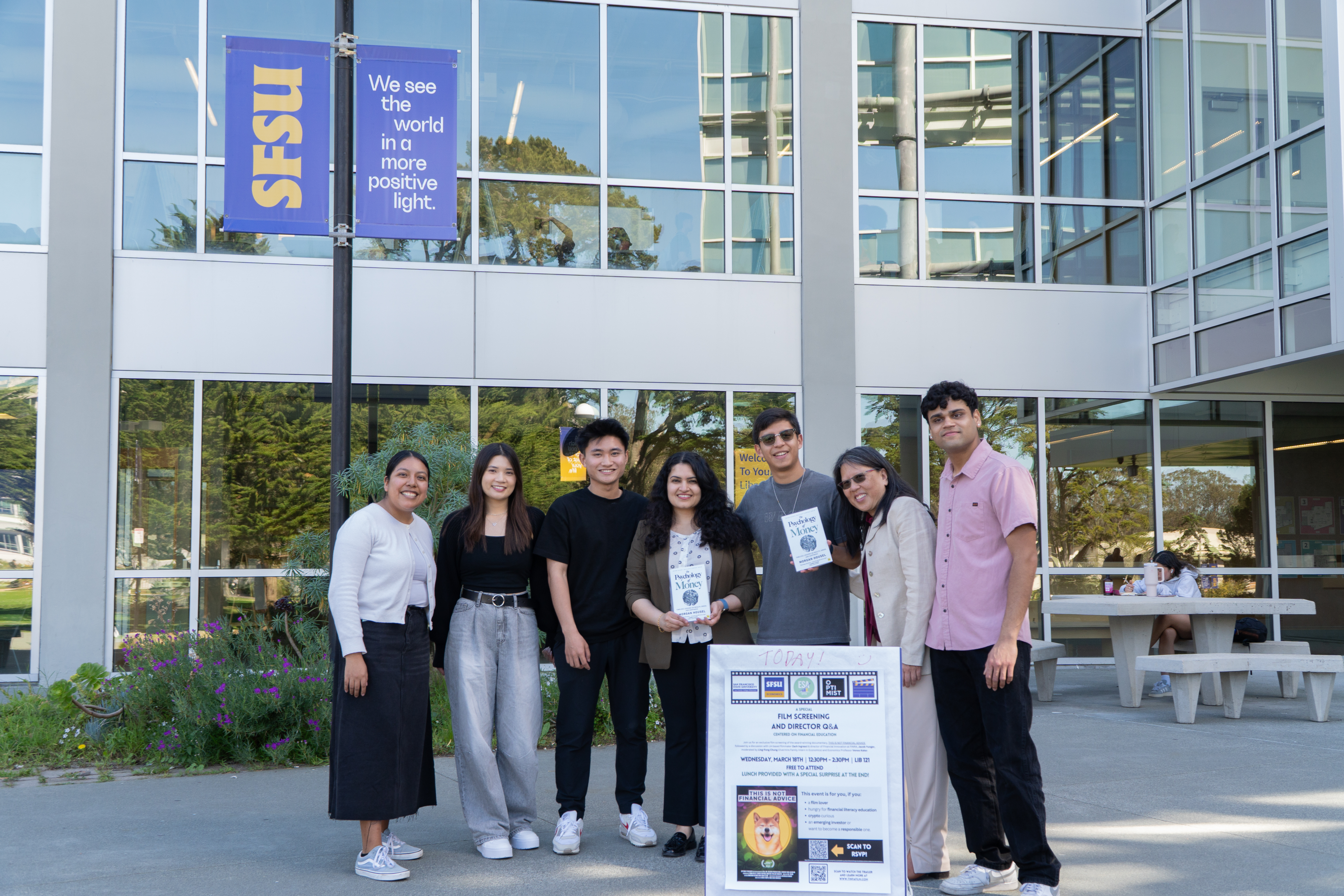
Campus screening of the award-winning documentary This Is Not Financial Advice

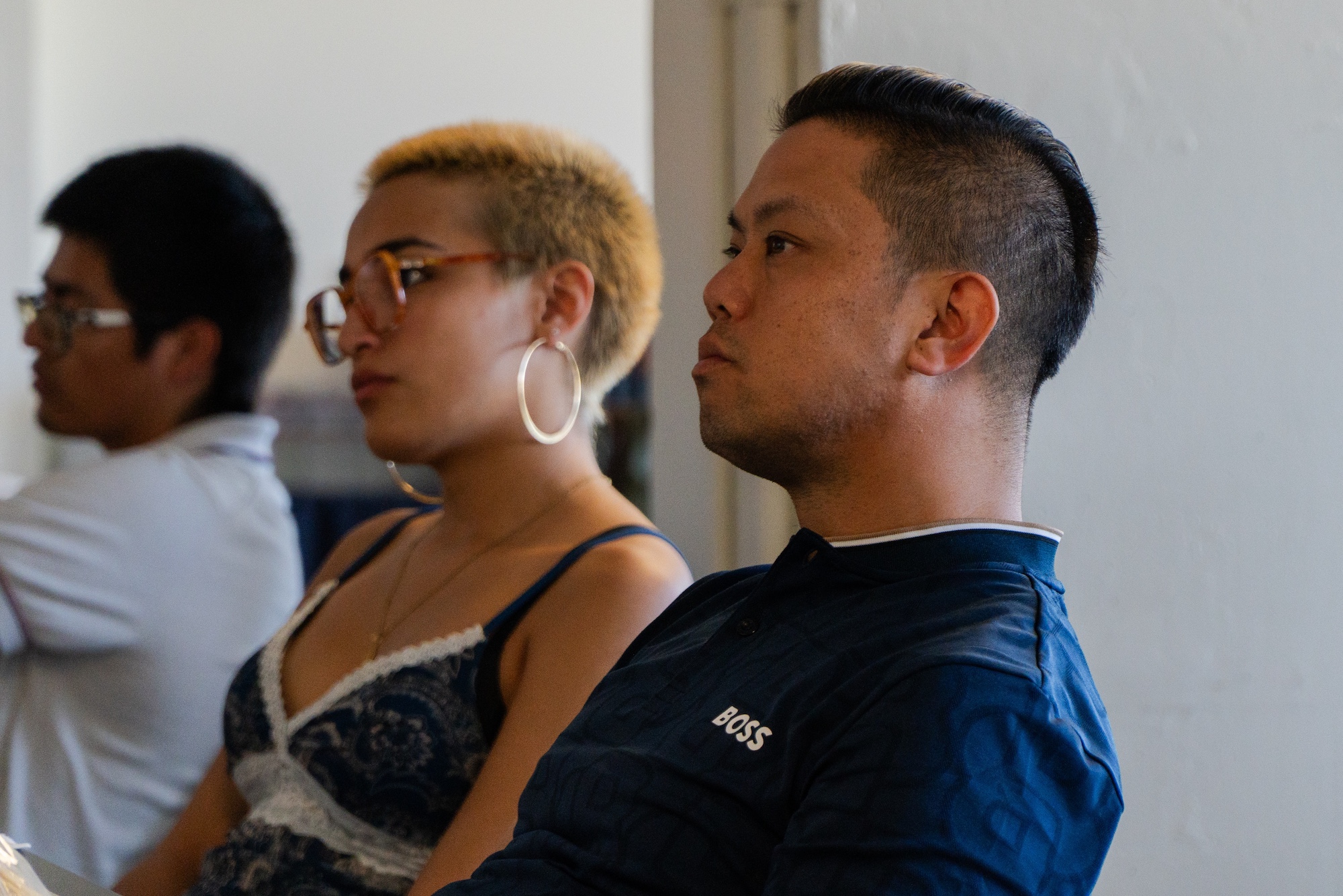
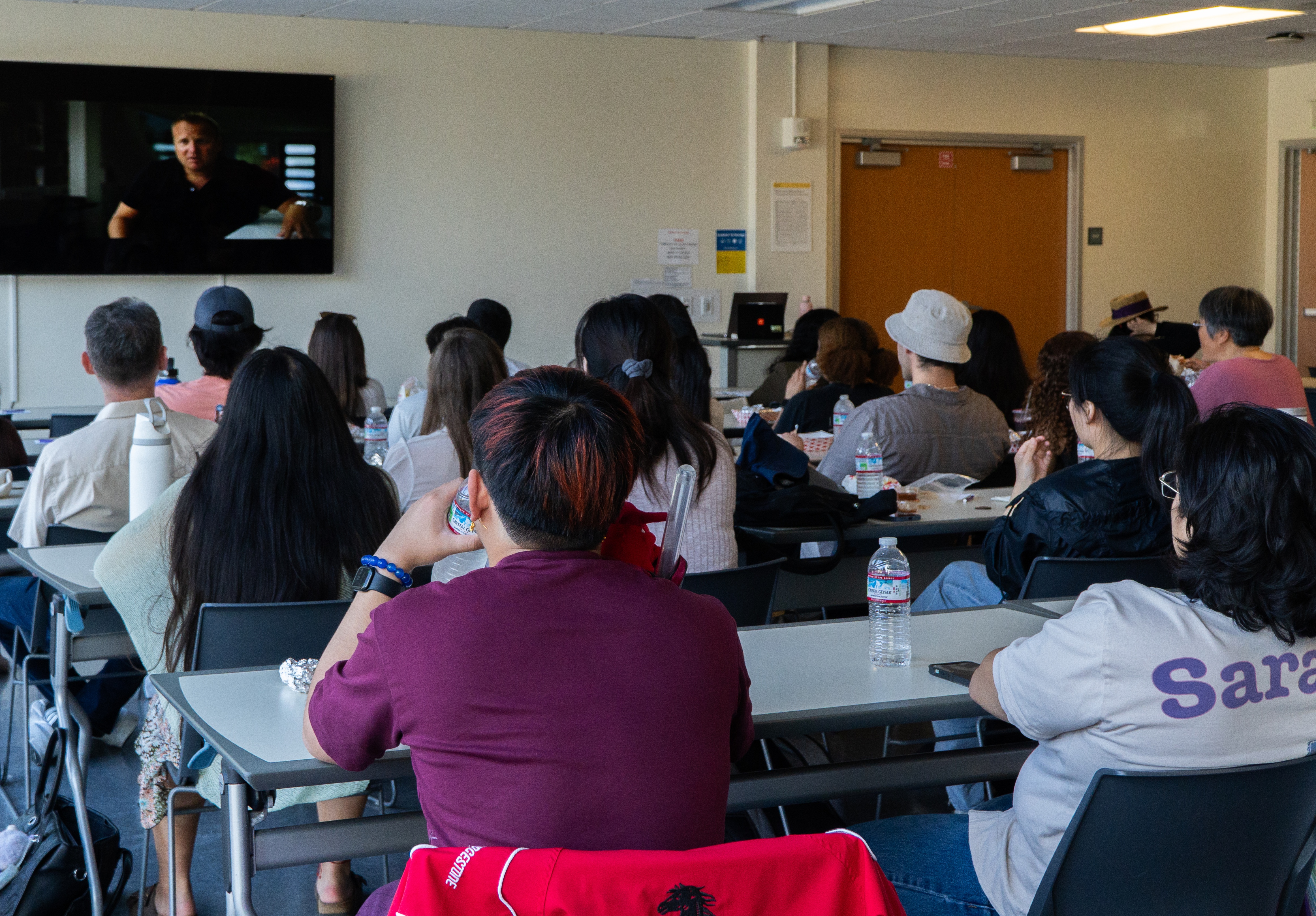
The campus screening of the award-winning documentary This Is Not Financial Advice drew about 100 attendees, mostly SFSU students

Under the leadership of fund director Venoo Kakar, professor of Economics in SFSU’s Lam Family College of Business, the program has already hosted events such as a campus screening of the award-winning documentary This Is Not Financial Advice. The March event drew about 100 attendees, mostly students, and featured a live interview with director Zach Ingrasci and Financial Industry Regulatory Authority Inc. (FINRA) director Jacob Yunger.
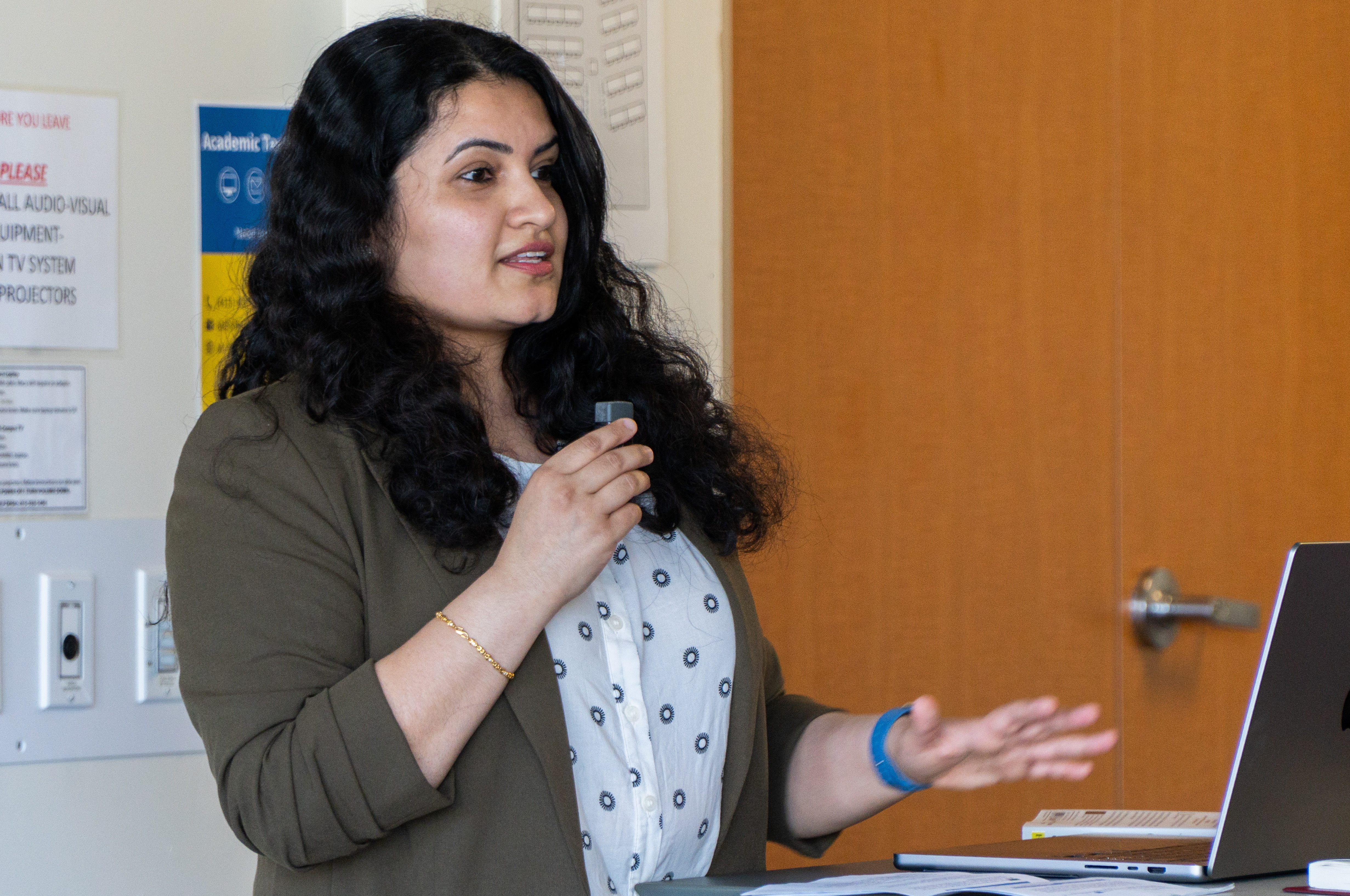
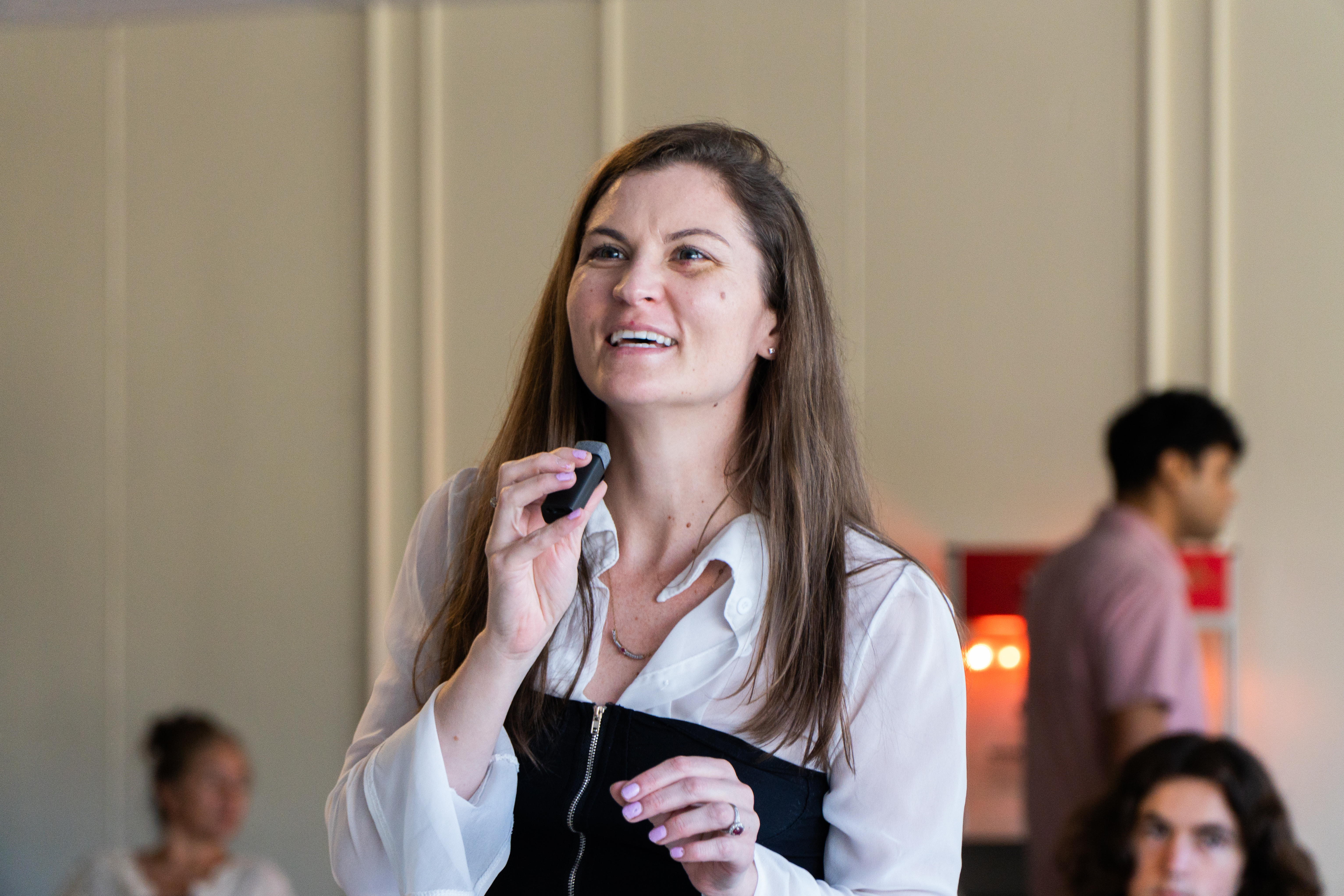
Venoo Kakar, professor of Economics in SFSU’s Lam Family College of Business
Attendees at the campus screening of the award-winning documentary This Is Not Financial Advice
Campus screening of the award-winning documentary This Is Not Financial Advice

Above: The campus screening of the award-winning documentary This Is Not Financial Advice prompted several questions and comments from those in attendance
At far left, Economics professor Venoo Kakar speaks to attendees.

“College students often navigate financial decisions with limited resources, making them one of the more financially vulnerable populations on campus,” Kakar says. “This endowed internship is designed to meet them where they are, equipping them with practical knowledge and confidence in financial decision-making.”

The film examines crypto investing through the story of Dogecoin investor Glauber “Pro” Contessoto, offering a cautionary look at modern investing and social media influence. Overmire intern Ling-Fong Chung, a first-year master’s student in SFSU’s Quantitative Economics program, helped organize the event, which sparked strong engagement from students.

“College students often navigate financial decisions with limited resources, making them one of the more financially vulnerable populations on campus. This endowed internship is designed to meet them where they are, equipping them with practical knowledge and confidence in financial decision-making.”

—Venoo Kakar, professor of Economics in SFSU’s Lam Family College of Business

Professor Kakar hopes the program will expand its reach across campus through additional events and programming.

“The internship represents a unique opportunity to advance student-centered financial literacy programming at SFSU,” Professor Kakar says. “It provides hands-on experience in translating financial concepts into accessible, relevant initiatives that resonate with peers. Through the intern’s role, the initiative empowers students to normalize conversations about money and fosters a culture of informed financial decision-making across the SFSU community. This is especially relevant at a time when many Gen Z and millennial students turn to social media for financial advice.”

“The initiative empowers students to normalize conversations about money and fosters a culture of informed financial decision-making across the SFSU community. This is especially relevant at a time when many Gen Z and millennial students turn to social media for financial advice.” 

—Venoo Kakar, professor of Economics in SFSU’s Lam Family College of Business

Ling-Fong, who graduated from the University of California Berkeley with a degree in biophysics, has already seen that interest grow. “Students from across the campus are interested and want more education on financial literacy and personal finance,” she says. “I personally spoke with clubs as diverse as the Financial Technology, Black Student Union and Cinema student orgs, who are considering putting on their own financial literacy events because their members were asking for some guidance.”

She is also launching, under Professor Kakar’s guidance, a book club centered on The Psychology of Money by Morgan Housel, with copies distributed at the March screening through the Overmires’ gift.

“The book club is happening not only to take advantage of this gift, but also to talk about the emotions that are, many times, behind personal finance decisions,” Ling-Fong says. “I appreciate that as the Overmire Family Endowment intern, I was given a chance to learn more about financial literacy, student leadership, salesmanship, and behavior.”

“The book club [centered on The Psychology of Money] is happening not only to take advantage of this gift, but also to talk about the emotions that are, many times, behind personal finance decisions.”

—Ling-Fong Chung, Overmire Family Endowment intern & first-year master’s student 
in SFSU’s Quantitative Economics program

For Charlie, the motivation to give back reflects his gratitude to SFSU.

“SFSU helped me be successful and get to a point where I could give back, so hopefully we can create some skillsets in students so that 30, 40 years from now they’re doing the same thing for the University,” he says.

“I don’t think that I would have progressed as far in my career without a degree from San Francisco State, as getting promoted up through the management ranks would have been a lot tougher. Also, we didn’t have financial literacy (courses) back then, but San Francisco State taught me how to think critically. It taught me how to communicate professionally and manage people. So now we’re just giving back to the institution that helped me throughout my career.”

“I don’t think that I would have progressed as far in my career without a degree from San Francisco State. [...] San Francisco State taught me how to think critically. It taught me how to communicate professionally and manage people. So now we’re just giving back to the institution that helped me throughout my career.” 

—Charlie Overmire (B.S. ’87)

For more information about donating to the Lam Family College of Business, contact:

Sukhie Bal

Senior Director of Development

Lam Family College of Business

sukhie@sfsu.edu

(415) 338-3723

Read more about Sukhie

Sutter’s CPMC and San Francisco State University Open Pediatric Simulation Room

Sutter Health’s $200,000 investment expands hands-on training to strengthen pediatric nursing workforce in the Bay Area

San Francisco — May 4, 2026 — Sutter’s CPMC, part of Sutter Health, and San Francisco State University (SFSU) today announced a milestone in their partnership to advance pediatric nursing education through a $200,000 Sutter Health investment. The funding supports a new, fully equipped pediatric simulation room on the SFSU campus designed to strengthen hands-on training for future nurses in the San Francisco Bay Area. Through the collaboration, graduates are expected to enter pediatric units better prepared, potentially reducing onboarding time and improving early-career readiness for employers like Sutter and others across the region. 

The new initiative builds on a successful academic-clinical collaboration between Sutter’s CPMC and SFSU that began in 2024 to expand clinical placements for nursing students, an effort which allowed the university to increase enrollment in its Accelerated Bachelor of Science in Nursing Program by 25%.

“We are grateful to Sutter Health for their investment in our pediatric simulation lab. This partnership strengthens how we prepare our nursing students by giving them access to realistic pediatric training environments earlier in their education,” said SFSU President Lynn Mahoney. “It expands what is possible within nursing education and ensures our graduates are ready to serve the needs of patients and families as they transition from learning into practice.”

“This partnership strengthens how we prepare our nursing students by giving them access to realistic pediatric training environments earlier in their education. It expands what is possible within nursing education and ensures our graduates are ready to serve the needs of patients and families as they transition from learning into practice.”

—SFSU President Lynn Mahoney

Pediatric workforce needs in the Bay Area

Hospitals and health systems across California continue to need more well-trained nurses across all nursing specialties, with pediatric care among the most specialized and difficult areas to staff. At the same time, limited clinical placement opportunities, also called clinical rotations, have constrained nursing program growth, even as demand for care continues to rise. 

“As a profession, nursing continues to face significant workforce shortages,” said Elaine Musselman, PhD, RN, director and professor of pediatrics at SFSU. “Pediatric care is a one of the most specialized and high-acuity areas where that gap is especially visible, due in part to fewer opportunities to train on complex cases and competition among nursing programs for clinical placements. Simulation-based learning helps bridge that gap by allowing students to practice critical skills in a safe environment before they reach the bedside. By providing a space for deliberate practice and error, we’re ensuring more consistent competency for our students, something employers look for in future nurse candidates.”

Preparing practice-ready pediatric nurses

The pediatric simulation room began pilot use in March 2026 and will be fully integrated into SFSU’s nursing curriculum in fall 2026. Once fully implemented, the space will support approximately 120 pre-licensure students each year — 80 students in the fall and 40 students in the spring.

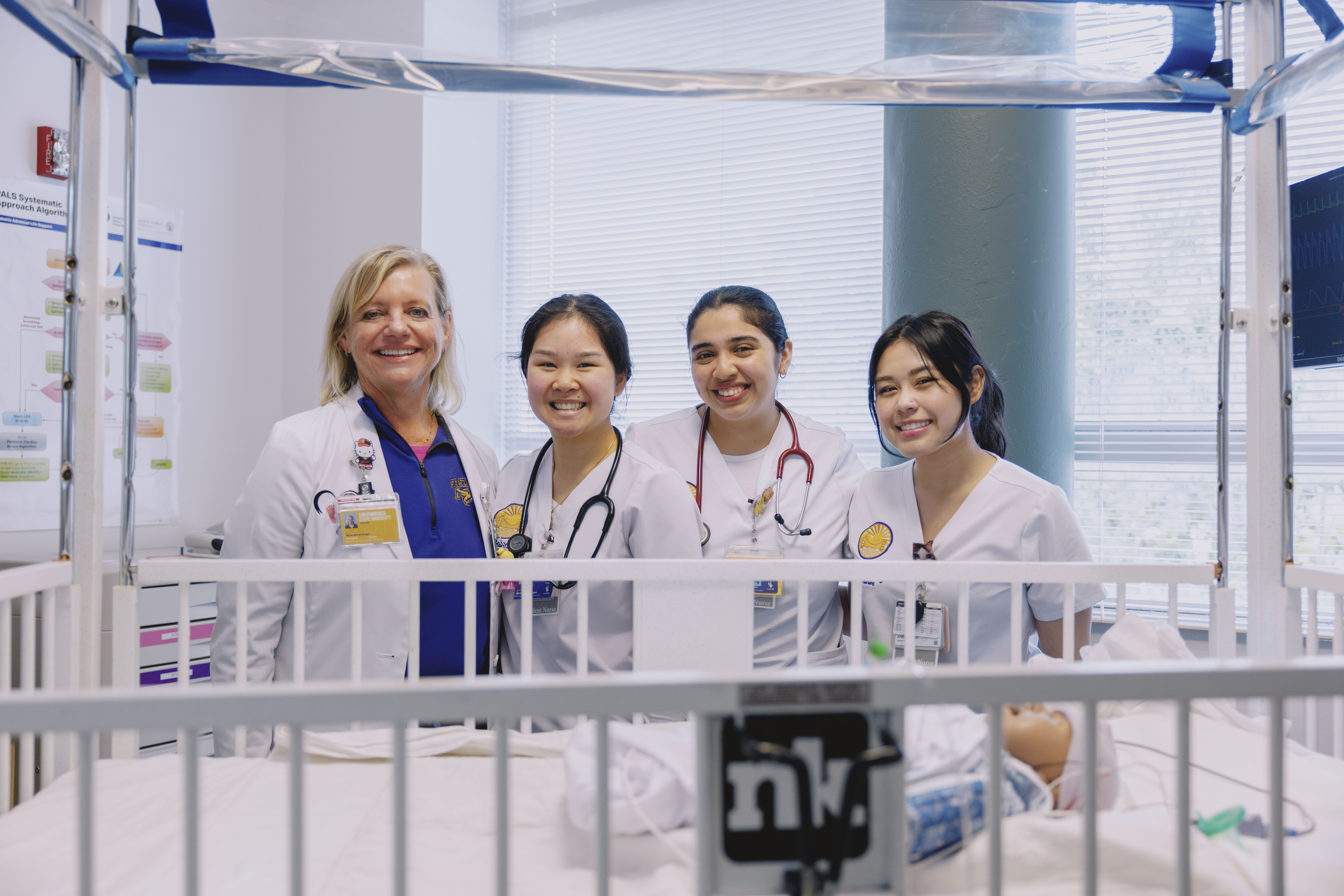
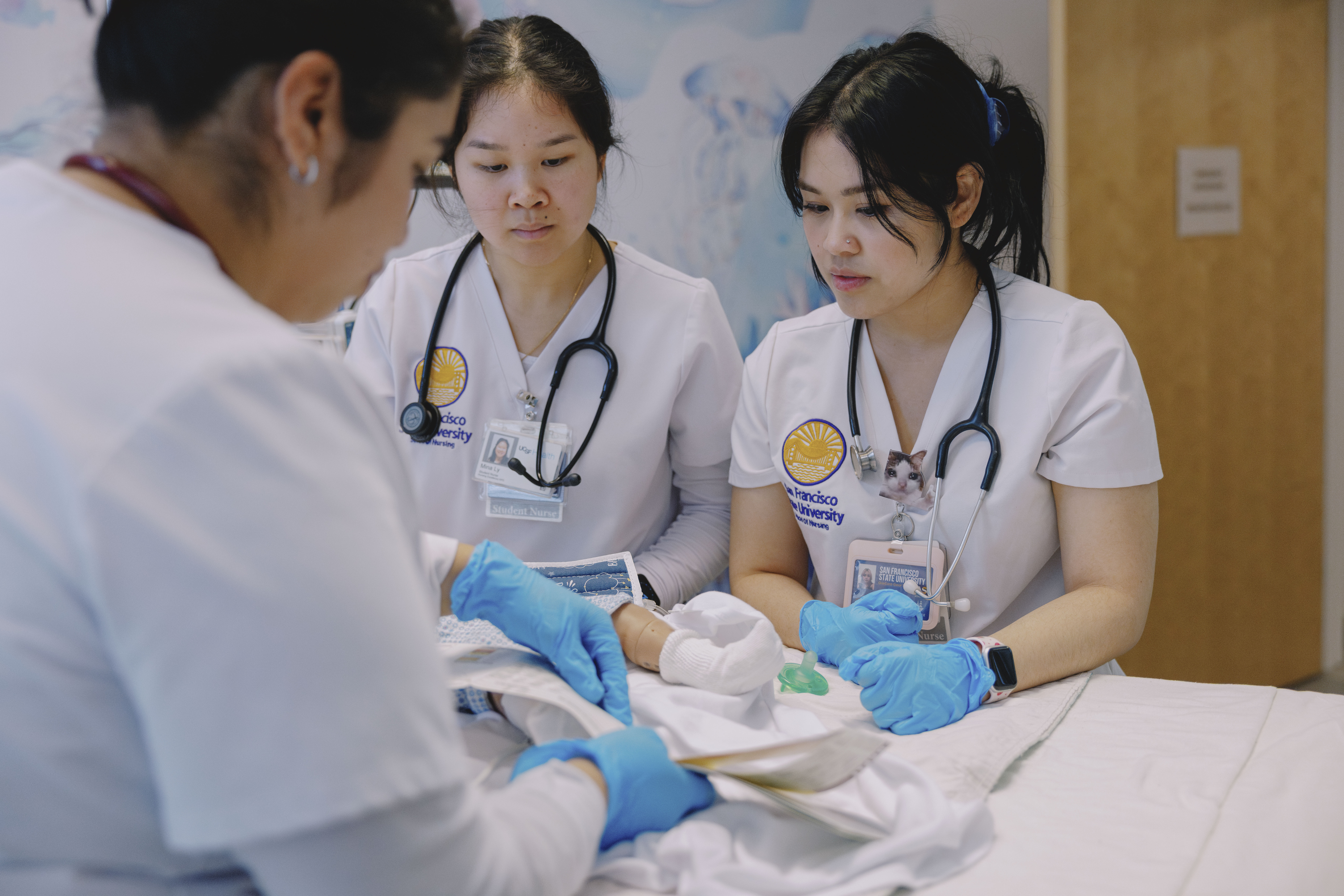
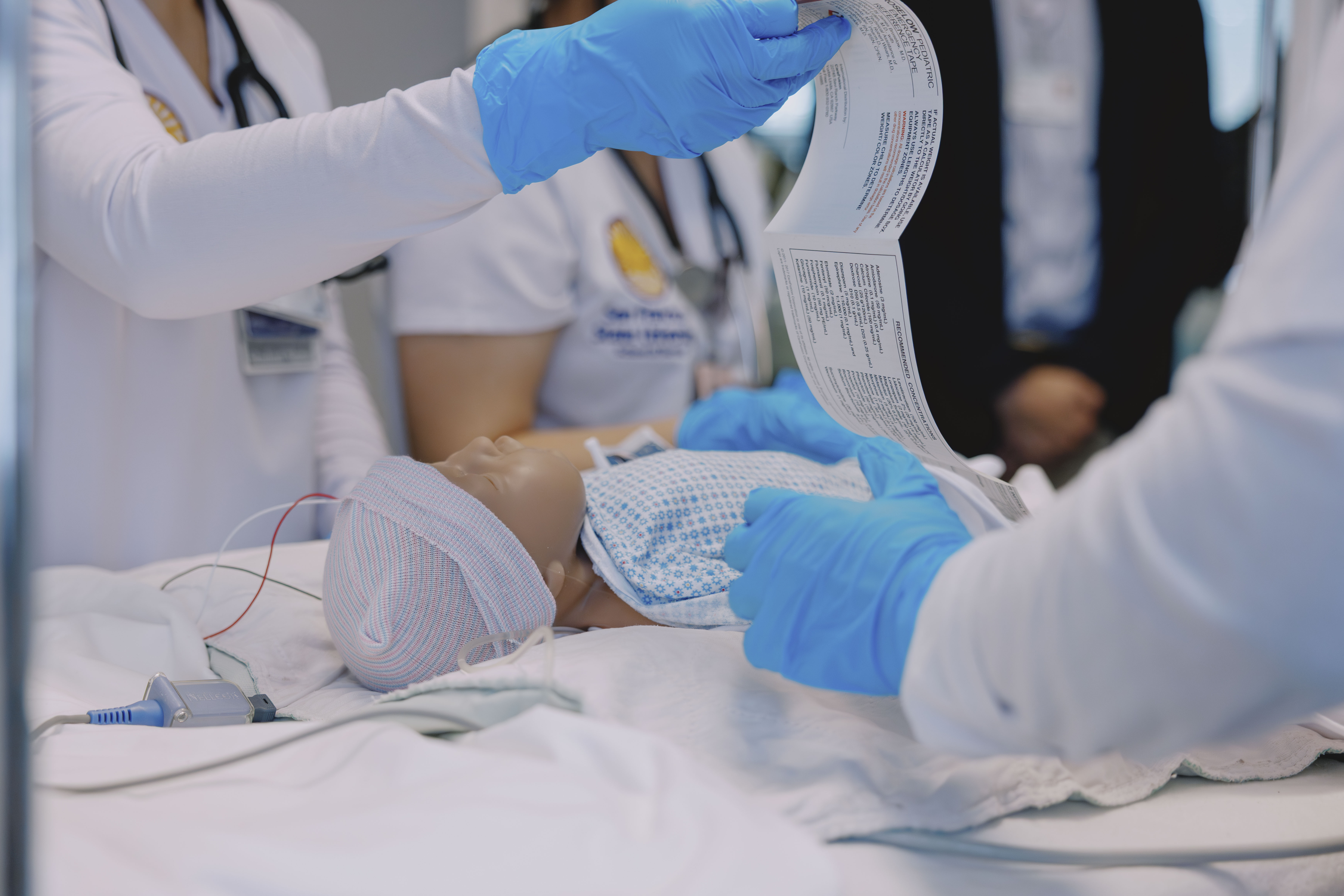
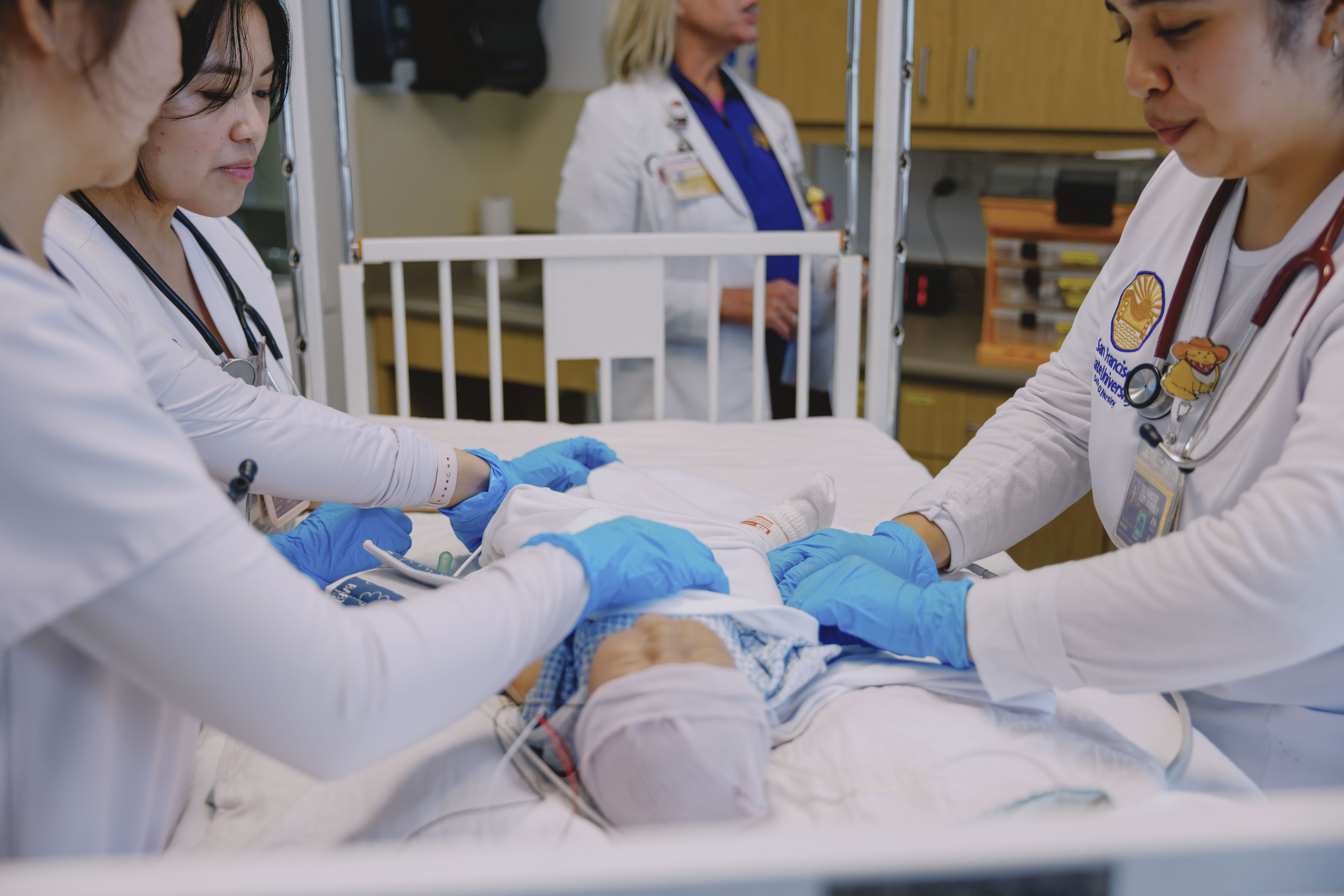
The simulation environment, complete with a wireless infant manikin and hospital-ready equipment, is designed to replicate pediatric hospital workflows, including those used across Sutter facilities like Sutter’s CPMC. Inside the room, students get practice recognizing early signs of patient deterioration, administering IV therapy with syringe pumps, responding to pediatric emergencies and managing care across multiple patients. Their training also emphasizes communication with families and interdisciplinary care teams, including physicians and respiratory therapists, reflecting the realities of pediatric hospital settings.

Each simulation begins with a structured pre-briefing that establishes expectations and psychological safety. Students then participate in realistic clinical scenarios using a wireless manikin, followed by a guided debrief focused on clinical reasoning, communication and decision making.

This hands-on approach to learning is designed to strengthen clinical judgment in pediatric care, where patients require distinct physiological assessment and communication strategies compared to adult populations. It also provides consistent exposure to high-risk, low-frequency pediatric emergencies that students may not regularly encounter during their clinical rotations.

Sutter's CPMC invests in SFSU School of Nursing pediatric simulation room

Sutter's CPMC has invested in a new, fully equipped pediatric simulation room within the SFSU School of Nursing

Sutter's CPMC invests in SFSU School of Nursing pediatric simulation room

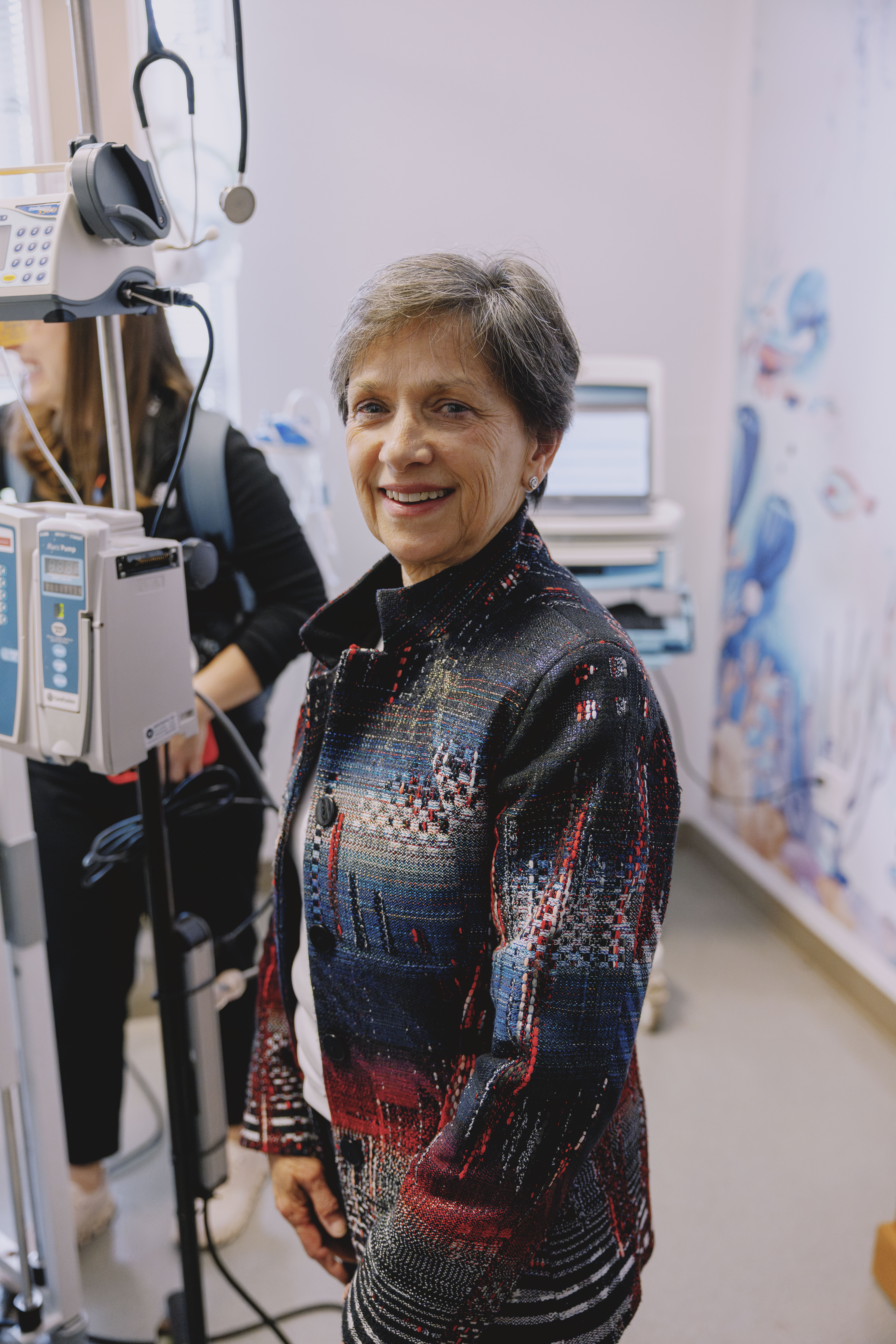
Elaine Musselman, PhD, RN, director and professor of pediatrics at SFSU

Sutter's CPMC invests in SFSU School of Nursing pediatric simulation room

Above: The simulation environment, complete with a wireless infant manikin and hospital-ready equipment, is designed to replicate pediatric hospital workflows

Sutter's CPMC invests in SFSU School of Nursing pediatric simulation room

“As nursing students transition into real-world care, Sutter Health aims to give them every advantage through training that aligns with the clinically excellent standards of our hospital units,” said Hollie Seeley, CEO of Sutter’s CPMC. “We are pleased to see the deepening of our partnership with SFSU and the ability for both our organizations to invest in the future of nursing through innovative, workforce-focused education.”

“It’s exciting to see a simulation space like this come to life and be put into practice,” said Lauren O’Neill, chief nurse executive at Sutter’s CPMC. “Exposure to complex pediatric scenarios is critical for nurses who want to work in these settings — even in a simulated environment. This type of immersive training at SFSU, made possible by Sutter Health, will also help address local and regional workforce needs by strengthening the pipeline of nurses who are confident in their pediatric care skills. We are grateful to the faculty and leadership at SFSU who saw this need and worked with us to make it a reality for this next generation of nurse caregivers.”

“Exposure to complex pediatric scenarios is critical for nurses who want to work in these settings — even in a simulated environment. This type of immersive training at SFSU, made possible by Sutter Health, will also help address local and regional workforce needs by strengthening the pipeline of nurses who are confident in their pediatric care skills.”

—Lauren O’Neill, chief nurse executive at Sutter’s CPMC

About Sutter Health 

Sutter Health is a not-for-profit health care system dedicated to providing comprehensive care throughout California. Committed to advancing innovative patient care, healthy outcomes and community partnerships, Sutter Health is pursuing a bold new plan to reach more people and make excellent health care more connected and accessible. Sutter currently serves more than 3.5 million patients, thanks to a dedicated team of more than 60,000 employees and clinicians, and 14,000+ affiliated physicians, with a unified focus on expanding care to serve more patients.   

Sutter delivers exceptional and affordable care through its hospitals, medical groups, ambulatory surgery centers, urgent care clinics, telehealth, home health and hospice services. Dedicated to transforming health care, at Sutter Health, getting better never stops.

Contacts

Dave Knutson, Senior PR and Communications Specialist, SFSU
dknutson@sfsu.edu
651-260-8288

Ashley Boarman, Sutter Health Media Relations
ashley.boarman@sutterhealth.org
443-248-4532

For more information about donating to the College of Health & Social Sciences, contact:

Dafna Kapshud, CFRE

Senior Director of Development and Campaign Manager

College of Health & Social Sciences

dkapshud@sfsu.edu

(415) 338-7112

Read more about Dafna

Kenneth S. Fong (B.A., ’71; M.A., ’74), Ph.D.: Inspiring Discovery, Innovation, and Opportunity

From founding biotech companies to endowing transformative research awards, Kenneth S. Fong (B.A., ’71; M.A., ’74), Ph.D., has advanced science, entrepreneurship, and education at SFSU — including a pivotal gift to the new Science & Engineering Innovation Center

In early September, SFSU hosted the Fong Research Award Symposium to highlight the Kenneth S. Fong Translational Research Award, which funds cross-disciplinary faculty projects advancing real-world solutions. When Kenneth S. Fong (B.A., Clinical/Biomedical Science, ’71; M.A., Microbiology, ’74), Ph.D., reflects on his remarkable career in biotechnology, he traces it back to a single class at San Francisco State University.

“My passion for science began at San Francisco State University in 1970, when I took a molecular biology course taught by Dr. Sarane Bowen,” Fong recalls. “That class sparked my fascination with DNA and RNA and their essential roles in the life of cells.”

That spark led Fong to pursue a Ph.D. at Indiana University and postdoctoral research at UCLA and the National Institutes of Health. In 1984, he founded Clontech Laboratories. “What began in the classroom at SFSU became the foundation for a company that grew to nearly 400 employees over 15 years,” he says. Clontech rose to become one of the largest biomedical tool companies founded by an Asian American in the U.S. before its acquisition by Becton Dickinson in 1999. Fong later launched Kenson Ventures, LLC, a Silicon Valley–based venture capital firm that has invested in and mentored numerous biotech companies through IPOs and acquisitions.

Reflecting on his career, Fong says, “I have come to value sustainability and continuity — principles that guide both my professional endeavors and my contributions to the scientific community.” These principles, together with his gratitude for the opportunities afforded by his education in the U.S. as an immigrant from Hong Kong, continue to inspire his deep connection to SFSU. Over the years, he has given generously of his time, expertise, and philanthropy.

“My passion for science began at San Francisco State University in 1970, when I took a molecular biology course taught by Dr. Sarane Bowen. That class sparked my fascination with DNA and RNA and their essential roles in the life of cells.”  
—Kenneth S. Fong (B.A., ’71; M.A., ’74), Ph.D.

In 2014, he endowed the Kenneth S. Fong Translational Research Award at SFSU, designed to support faculty and student collaborations and innovation in perpetuity. “By generating discoveries that can attract funding from NIH, NSF, and other sources,” Fong says, “the program creates a self-sustaining cycle of research, innovation, and impact.”

Since its launch, the award has funded 11 interdisciplinary projects, engaging 27 faculty and 75 students. These projects have spanned fields as diverse as biomedical engineering, chemistry, biology, physics, and computer science — from robotic exoskeletons for stroke rehabilitation, to breast cancer treatments using diverse ancestry cell lines, to advances in prosthetic arm technology. Collectively, the research has secured more than $21 million in additional funding from national agencies including the NIH, NSF, NASA, and the Department of Defense.

For SFSU student research assistant Charlie Vidal Sanchez (B.S., Civil Engineering, ’20; M.S., Structural & Earthquake Engineering, ’21), the support was life-changing. “It was at SFSU that I saw all the doors open for me where they were once closed, potential seen in me when there was once none, and where I took advantage of every opportunity I could,” he says. With the confidence and experience gained from his participation in Fong-supported research, Charlie went on to win first place in the CSU Research Competition, earn a master’s degree through SFSU’s accelerated program, and launch his own construction company. 

“It was at SFSU that I saw all the doors open for me where they were once closed, potential seen in me when there was once none, and where I took advantage of every opportunity I could.”  
—Charlie Vidal Sanchez (B.S., Civil Engineering, ’20; M.S., Structural & Earthquake Engineering, ’21), who assisted with Fong-awarded research as an SFSU student

Kenneth S. Fong (B.A., ’71; M.A., ’74), Ph.D.

Kenneth S. Fong (B.A., ’71; M.A., ’74), Ph.D.

Dr. Fong speaks at the Ken Fong Research Award Symposium

Dr. Fong speaks at the Ken Fong Research Award Symposium

Ken Fong Award Symposium

Above: Research presentations at the Kenneth S. Fong Translational Research Award Symposium

Ken Fong Award Symposium

Fong’s impact also extends into the heart of campus innovation. Most recently, he became the largest individual donor to the new Science & Engineering Innovation Center (SEIC), playing a pivotal role in creating the 125,000-square-foot hub that “puts science on display” with state-of-the-art labs, classrooms, and collaboration. Opened in 2024, SEIC is home to the Department of Chemistry & Biochemistry and the School of Engineering. The building serves more than 7,000 students in the College of Science & Engineering with studio labs, robotics facilities, makerspaces, energy systems labs, and a student success center. Through Fong’s philanthropy, SEIC empowers faculty, trains students, and advances biotechnology and research at SFSU — aligning with his goal of cultivating a new generation of entrepreneurs and visionary researchers.

“By generating discoveries that can attract funding from NIH, NSF, and other sources, the program creates a self-sustaining cycle of research, innovation, and impact.” 
—Kenneth S. Fong (B.A., ’71; M.A., ’74), Ph.D., about the Fong Research Award

From his beginnings as a curious biology student in the 1970s to his role today as an entrepreneur and philanthropist, Kenneth S. Fong’s legacy at SFSU is one of discovery and innovation. Through his generosity — grounded in gratitude and shaped by his own journey — he has built lasting infrastructure and opportunities, sustaining a cycle of exploration, learning, collaboration, and impact that will continue for generations.


For more information about donating to the College of Science & Engineering, contact:

Holly Fincke

Senior Director of Development

College of Science & Engineering

hollyfincke@sfsu.edu

(415) 338-7118

Read more about Holly

Denny Luther ’65: “SF State Did Me Right”

With a life that has spanned continents, Dennis “Denny” Luther (B.A., Business Administration, ’65) helps students chart their own paths through his family's philanthropic support

From humble beginnings in Placerville, Calif., to the glitz of San Francisco, a two-year stint in the Army in Alaska in the ’60s, living in a van while touring throughout Europe in the ’70s, and finally landing back in San Francisco, the global trek of Dennis “Denny” Luther ’65 is as impressive as his career trajectory and as noble as his desire to help students secure an SFSU education.

Mind you, Denny’s is no ordinary story. Rather, it’s one filled with calculated choices. His decision to attend SFSU ultimately led to a successful career as a computer programmer who, along with his business partner, built, grew, and sold their company. Denny will be the first to tell you that he wasn’t sure how it was going to turn out. In fact, he had doubts that he would even be successful in college and beyond. That success, though, is well proven, and Denny is happy to share the fruits of that success by lending a helping hand to students in need.

Despite his claim that he was not a great student, Denny applied to and was accepted at San Jose State, Fresno State, and SF State. “I picked San Francisco. That’s where the Giants and Niners were and that’s where you could see a good Broadway play,” he says with a laugh.

Turned out to be a great decision. Focusing his studies on business and inspired by his success in classes in Statistics and Programming, Denny graduated with a degree in Business Administration with an emphasis in Quantitative Management. From SFSU, Denny was off to his Army stint where he served as editor of the base newspaper in Alaska. He returned to California and was hired as a salesman for Univac as business computing gained wider acceptance.

Sales, however, were not Denny’s strength. Discouraged, he was about to quit Univac, but his manager saw something in him that stood out and Denny was moved over to support businesses that bought or leased Univac computers. This gave Denny the chance to develop his programming skills to the point where he was teaching companies with computers how to program them to maximize their efficiency. Soon, however, the appeal of travelling across Europe captured his attention, so Denny gave up his Univac job.

After living in a van as he traversed through London, Amsterdam, France, Germany, Spain, and Morocco, Denny returned to San Francisco and connected with an SFSU fraternity brother, Tom Luther (no relation), and tended bar in his restaurant a few nights a week. In the upper floors of the building that housed the restaurant, Denny’s future business partner and former IBM salesman Jack Baird was making a living as a computer programming consultant, focusing on getting doctors, dentists, medical groups, and hospitals to sign up for medical and dental billing services. The benefit for the businesses was that with the computerized billing systems, they would get paid in just a week instead of the traditional 30 to 45 days.

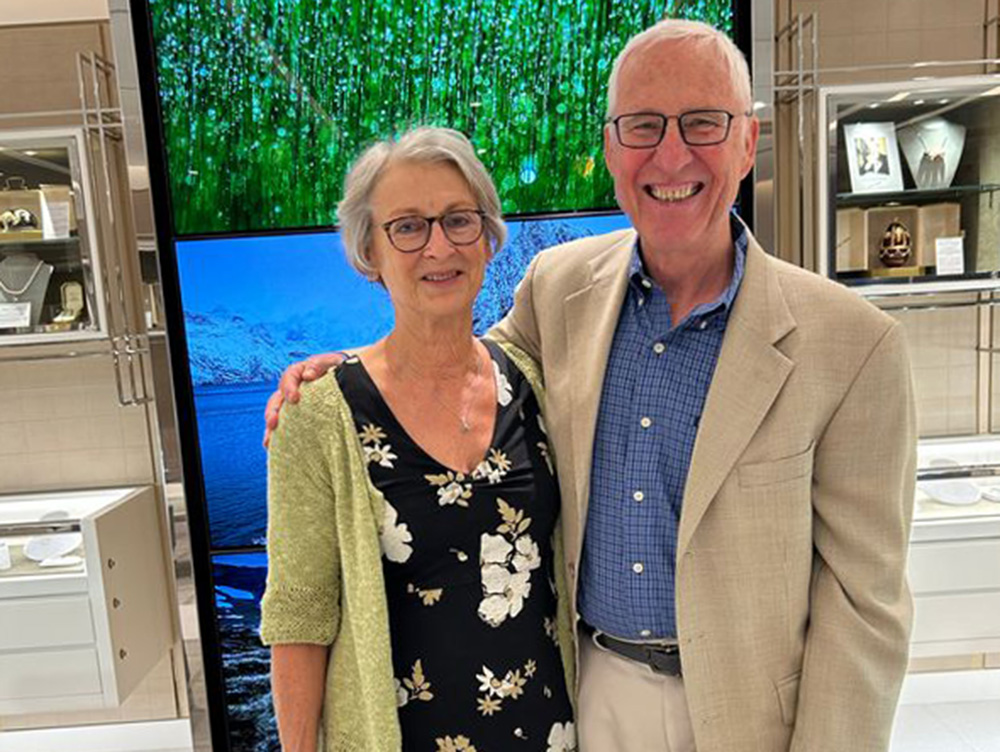
Dennis and Barbara Luther

Dennis and Barbara Luther

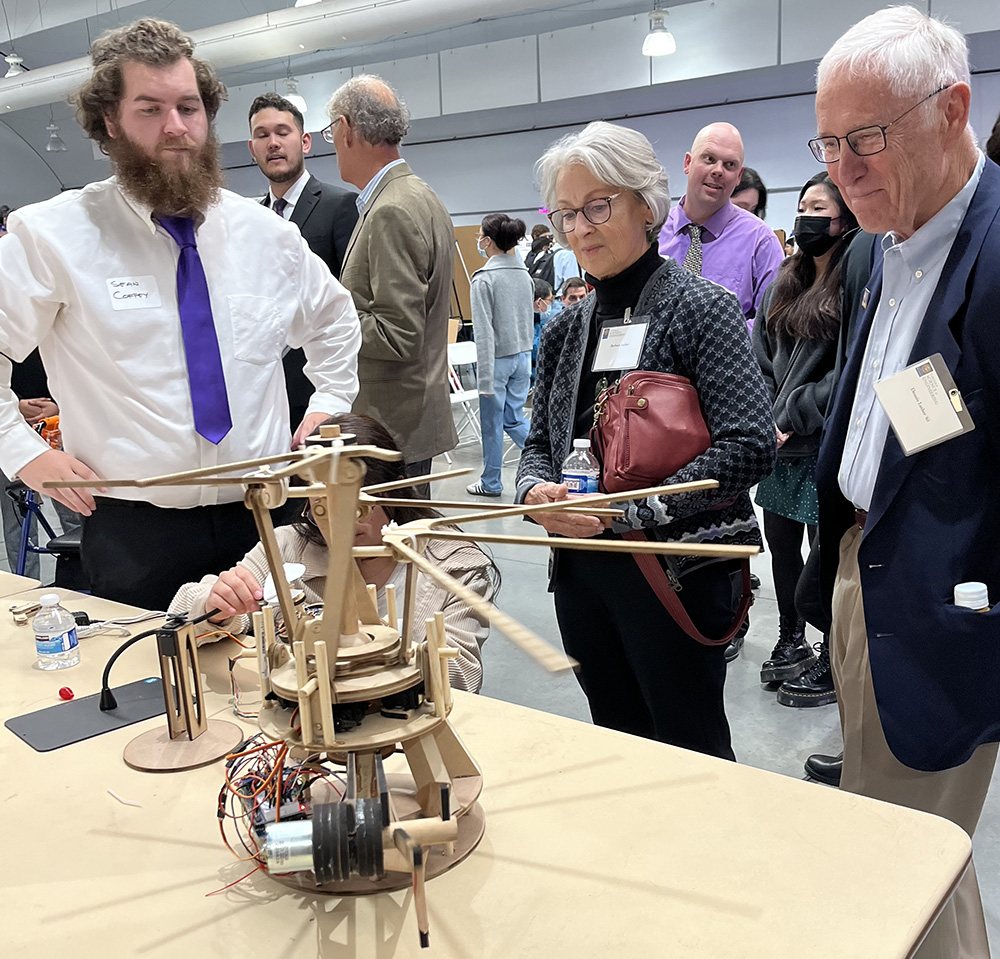
Dennis and Barbara Luther at a student research showcase

Dennis and Barbara Luther at a student research showcase

Denny and Baird teamed up and gained more clients to handle electronic billing to Medicare, Medi-Cal, and other large insurers. Their business, Data Systems Group, caught on, and was purchased by Bluebird, which has since been acquired by Experian Healthcare.

As Denny says, “My party line is I woke up on January 1, 2013 with money in the bank and time on my hands.” As part of the sale, Denny set up a donor advised fund (DAF). A devout Christian, Denny and his wife Barbara share a passion for tithing and they have chosen, through their DAF, to set up a scholarship for SFSU undergraduate students who are majoring in Computer Science, are the first generation in their family to go to college, and who have demonstrated financial need.

“It breaks my heart,” Denny said when asked about his motivation for setting up the scholarship. “College is so damned expensive, and you can’t go there on your own. I’m hoping that this will help them through school and they’ll have a college degree and one thing will lead to another, and then to another.”

Much like one thing led to another and another for Denny, he’s hoping that recipients of the Luther Family Scholarship will find the financial support he and Barbara offer impactful to put them on the course to life-changing learning experiences.

“It breaks my heart. College is so damned expensive, and you can’t go there on your own. I’m hoping that this will help them through school and they’ll have a college degree and one thing will lead to another, and then to another."

—Dennis Luther (B.A., Business Administration, ’65)

Denny is grateful that he attended SFSU, something he calls a wonderful experience. “I still have friends from State. I wasn’t sure that I had the wherewithal to be a college student, but then in my sophomore year I got a B in biology and said, ‘Well, I can do this!’”

Not only could he do it, but Denny did it very well. And, today he stands by the words on the customized donor brick he placed outside of the Nassar Family Gym: “Denny Luther ’65, SF State Did Me Right.”

For more information, contact:

David Fierberg, MNA, CFRE

Executive Director of Development

dfierberg@sfsu.edu

(415) 405-3966

Read more about David

From Mat to Mission: Keith Spataro’s Journey of Impact

Philanthropy is a natural extension of Keith’s gratitude for the opportunities he received at SF State

San Francisco State University alum Keith Spataro (B.A., Kinesiology/Physical Education, ’95) carries his Gator pride with him every day. As Vice President for Athletics at Menlo College, Keith has devoted his career to higher education, building programs, and helping students achieve their potential. His journey is deeply intertwined with his time at SF State, where he discovered the resilience, determination, and community spirit that continue to inspire his philanthropy today.

Originally from Florida, Keith moved to California in 1989 and began his academic journey at Skyline College before transferring to SF State. It was a decision shaped by both opportunity and family: his brother was wrestling at Skyline, and transferring to SF State allowed Keith to continue his education while staying locally connected to his family. “It was the right choice, the right time, and a good opportunity for me,” Keith reflects. 

Keith credits his time at SF State with teaching him invaluable lessons about perseverance and purpose, particularly through the wrestling program led by the legendary Coach Lars Jensen. The program’s emphasis on supporting first-generation students and reflecting the Bay Area’s diversity resonated deeply with Keith, who saw the wrestling team as a microcosm of SF State’s mission and its commitment to equity and opportunity.

When the wrestling program faced potential cuts, it was Coach Jensen’s leadership and the team’s impact that preserved it. “Coach Jensen connected the dots very effectively. He tied the mission of the University — supporting first-generation college students and students from all walks of life — in a very meaningful way to our roster. We resembled that mission,” Keith recalls. 

The wrestling program proved indispensable because its athletes represented what SF State stood for — access to education and opportunity for all students. “That really stuck with me,” Keith says, “and it honestly has been profound in my career.” An outcry from SF State alumni ultimately helped save the program.

This experience instilled in Keith a commitment to representing value and contributing to the greater good — principles that have guided his multifaceted career across athletics, enrollment management, marketing, and operations. “Everything I do is about proving return on investment,” Keith says, “and demonstrating the value that anything we're doing brings to the institution.”

“Everything I do is about proving return on investment.” 
—Keith Spataro (B.A., Kinesiology/Physical Education, ’95)

Philanthropy is a natural extension of Keith’s gratitude for the opportunities he received. Through the Spataro Alumni Wrestling Scholarship, he and his wife aim to support future generations of Gators. “We’ve been fortunate that we've been able to help change some students’ lives,” Keith shares. Connecting with scholarship awardees has been deeply rewarding for them both: “It’s always meaningful when you can put a face and name to your giving.”

The tight-knit wrestling community also inspires Keith’s giving. He remains thankful for the sport that shaped his life, crediting its “do it yourself” nature with honing his self-reliance and endurance. But wrestling also taught him the value of a supportive community that lifts one another toward success. Keith fondly recalls the potluck dinners Coach Jensen organized after student-alumni matches, where connections flourished and donations flowed. He was astonished when alumni handed Coach Jensen checks for the wrestling program in testament to their shared dedication to the team. “We couldn’t survive or be successful without that [money],” Keith realized at the time. Witnessing that generosity left a lasting impression and cemented his commitment: “I knew that when I had the capacity, I needed to do the same thing.”

“We couldn’t survive or be successful without that [money]. I knew that when I had the capacity, I needed to do the same thing.” 
—Keith Spataro (B.A., Kinesiology/Physical Education, ’95)

Keith vividly describes wrestling as a sport that demands extraordinary physical and mental toughness. Wrestlers are pushed to extremes — through weight cuts, relentless training, and physical exhaustion — while required to face their opponent, alone, in the center of the mat. It is a grueling test of both body and mind, where success depends entirely on individual effort. Yet what stands out most to Keith is the respect and camaraderie amongst teammates. Looking across the mat and seeing a teammate enduring the same challenges creates a distinctive bond, one forged through shared struggle and perseverance. “In wrestling, we’re just trying to survive,” Keith reflects, “but we need each other to do that.”

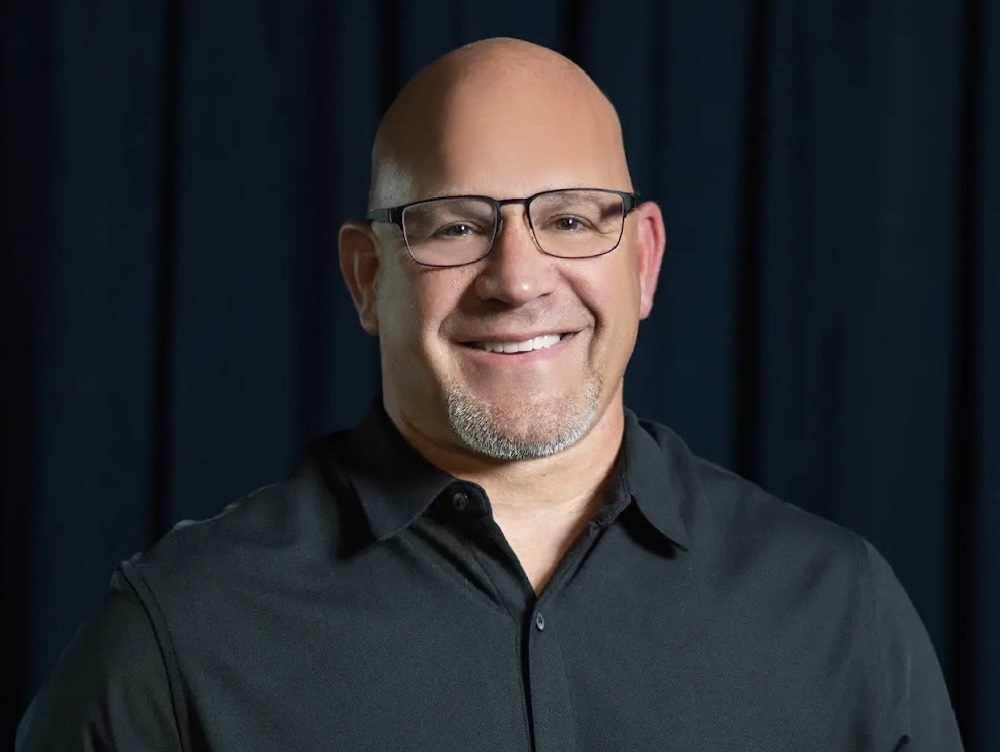
Keith Spataro

Keith Spataro

Keith Spataro

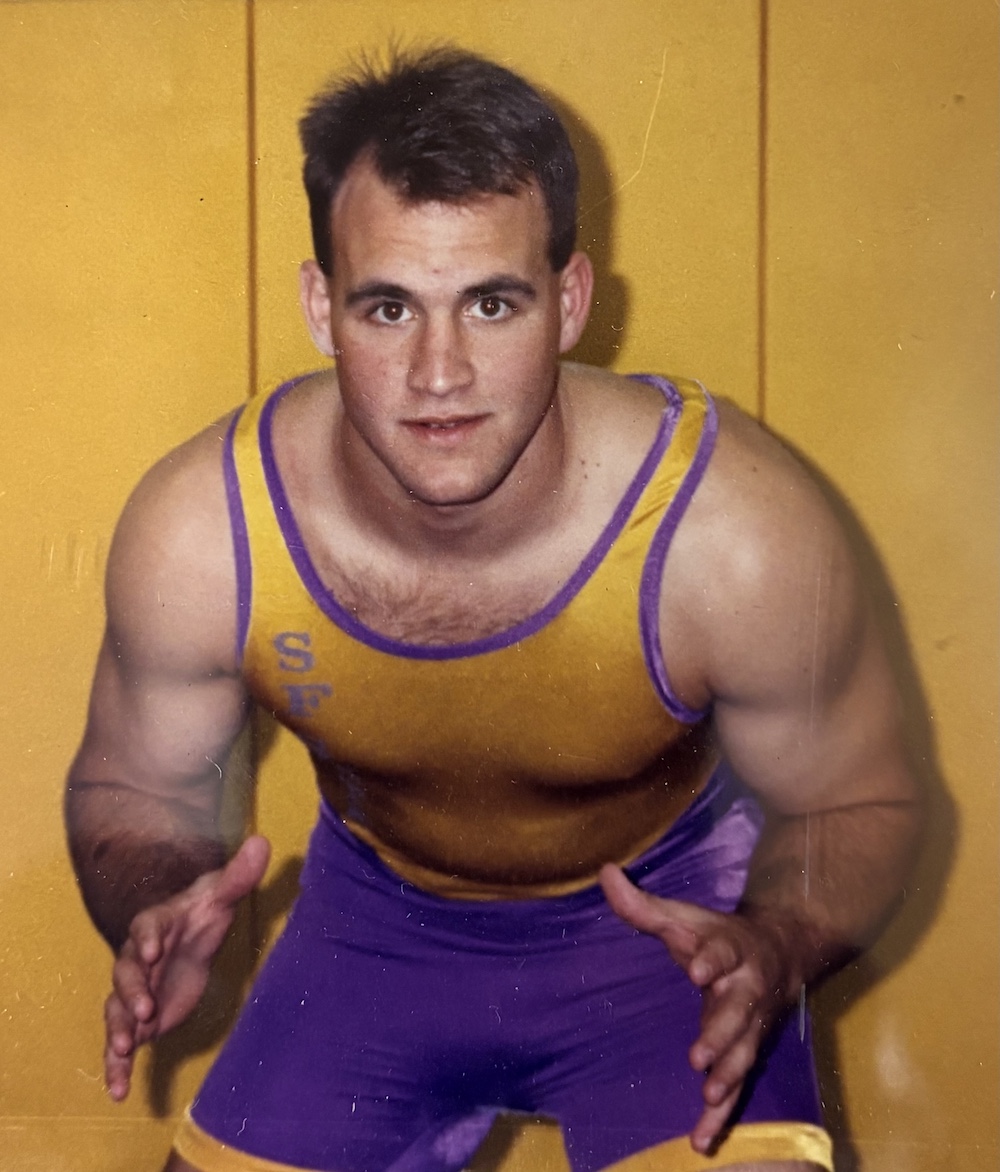
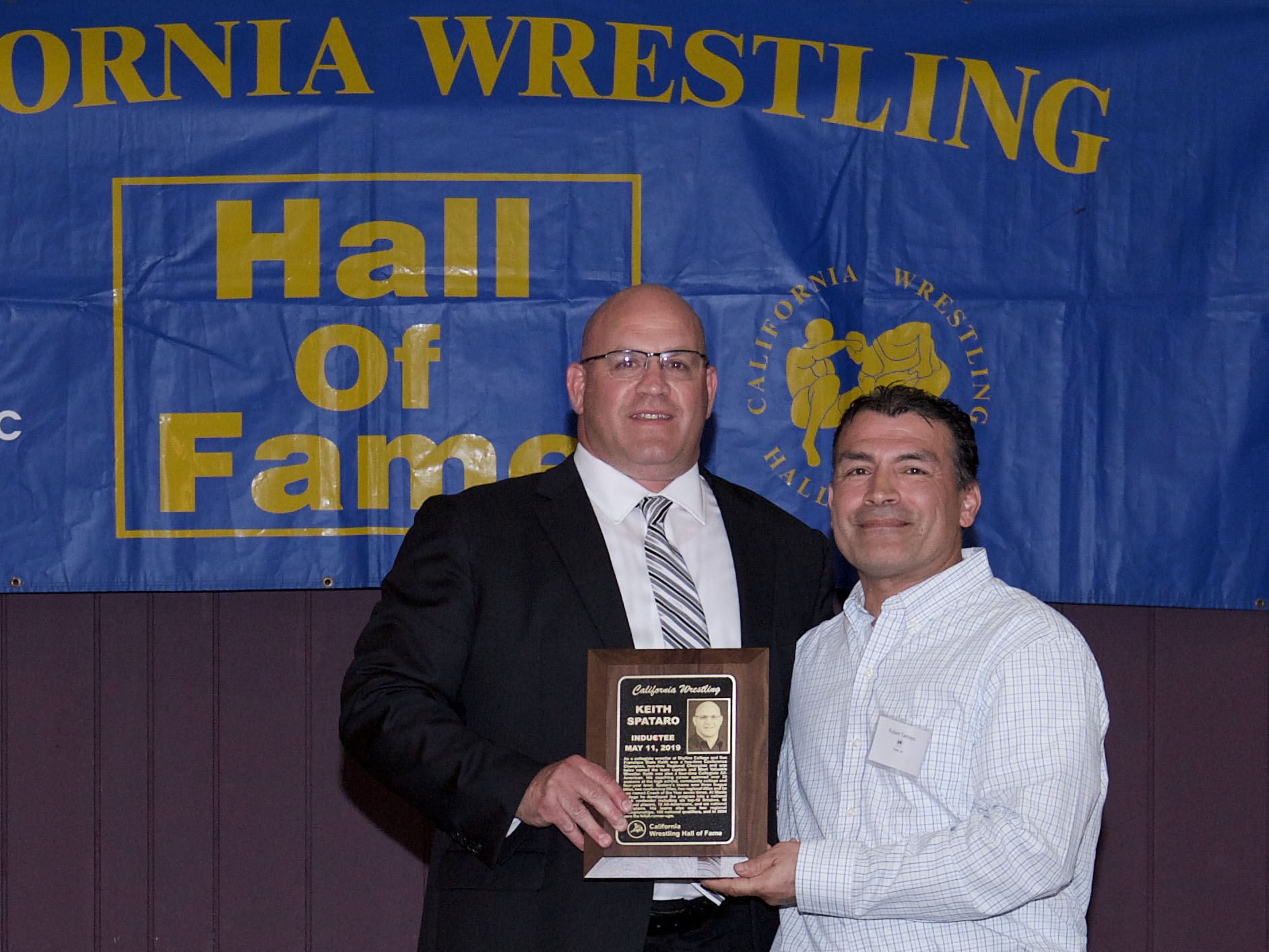
Keith Spataro as an SF State Wrestling student-athlete

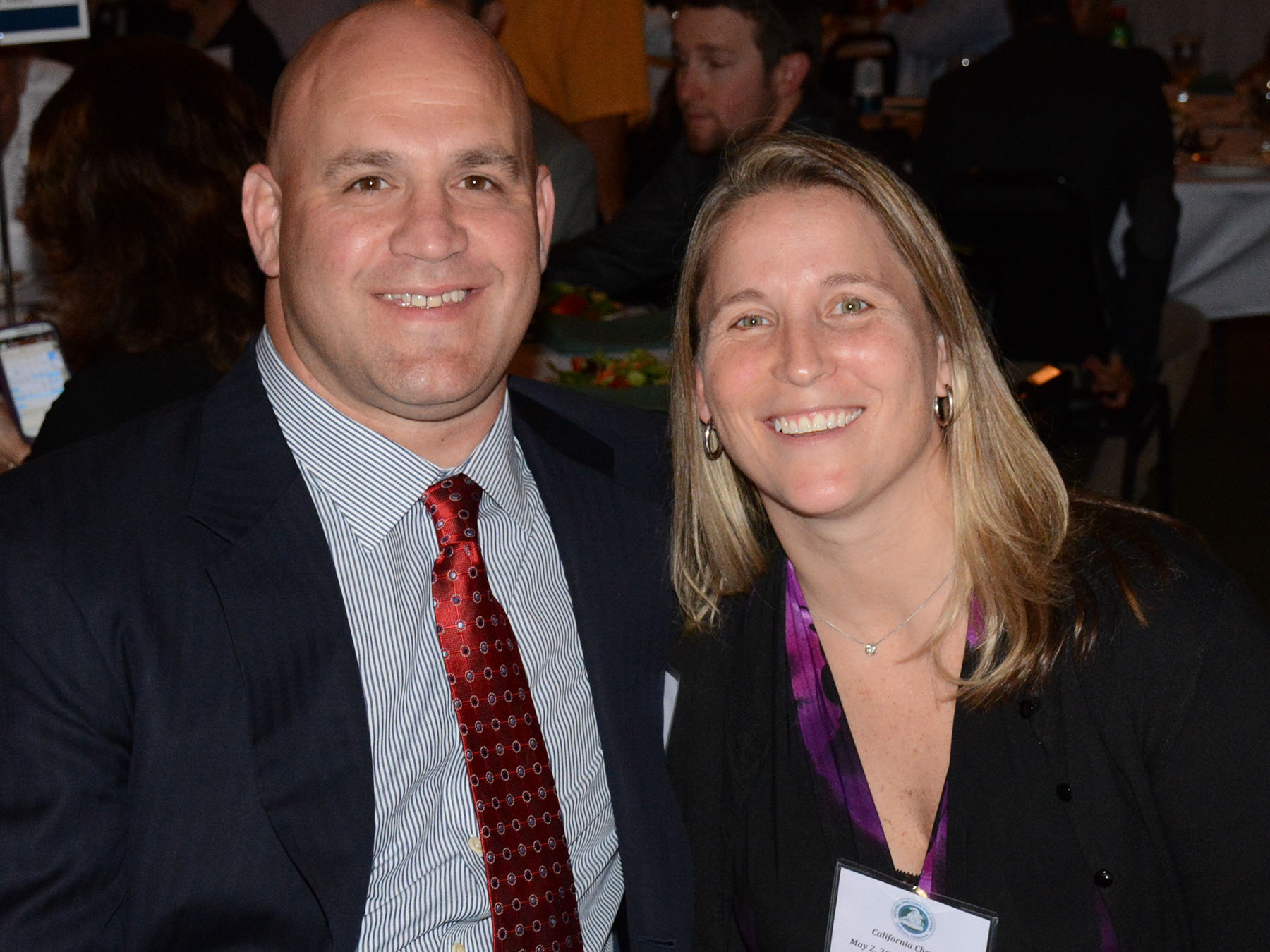
Keith Spataro and his wife

Through the Spataro Alumni Wrestling Scholarship, Keith and his wife aim to support future generations of Gators

“In wrestling, we’re just trying to survive. But we need each other to do that.” 
—Keith Spataro (B.A.,’95)

Keith’s philanthropic contributions focus on the Gator Athletics wrestling program, but he recognizes the broader impact of his giving. “Donating to one specific area frees up money to get to somewhere else,” he points out, ensuring resources can be allocated meaningfully elsewhere in Athletics and across the University.

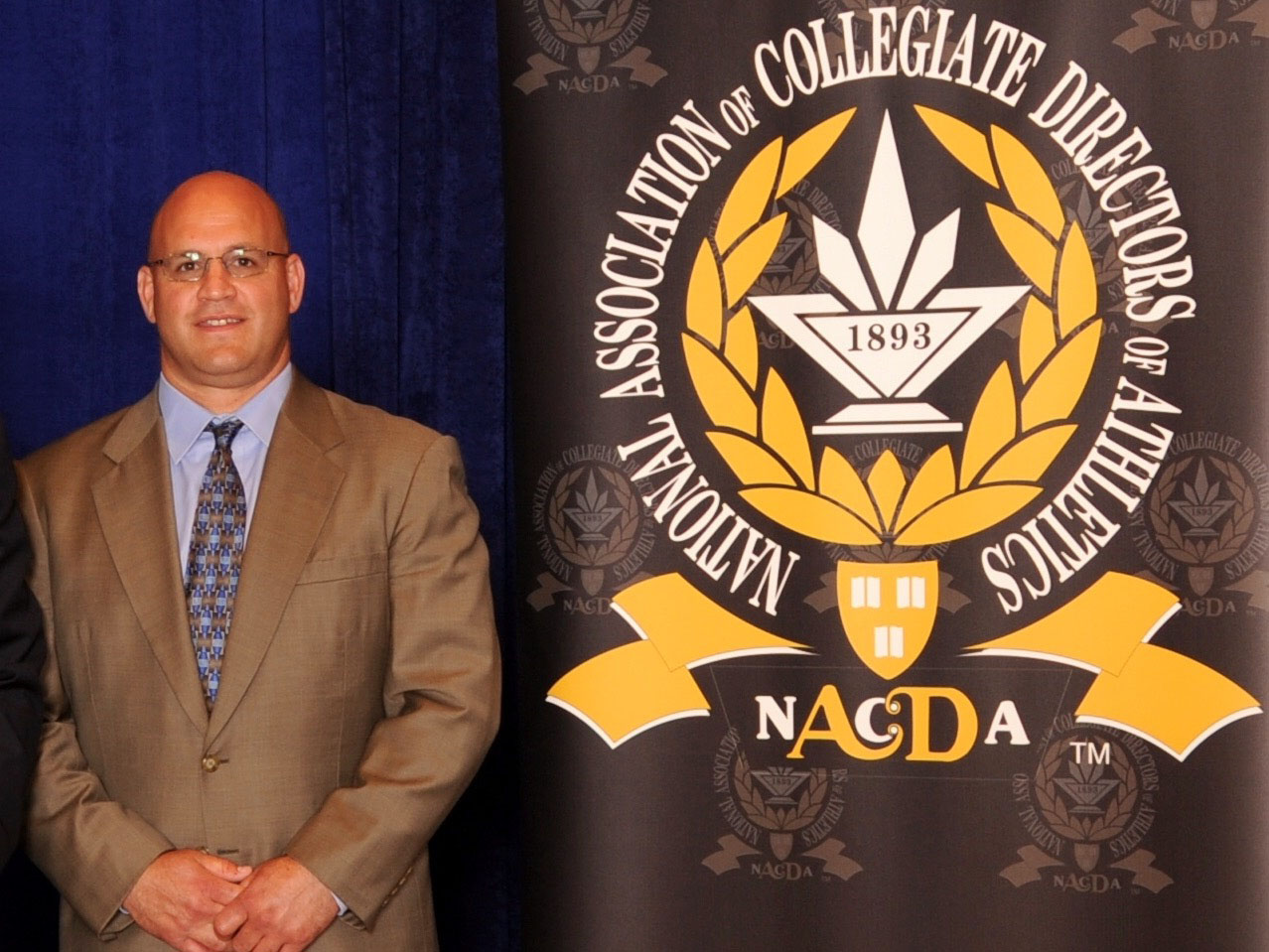
Keith Spataro
Keith Spataro

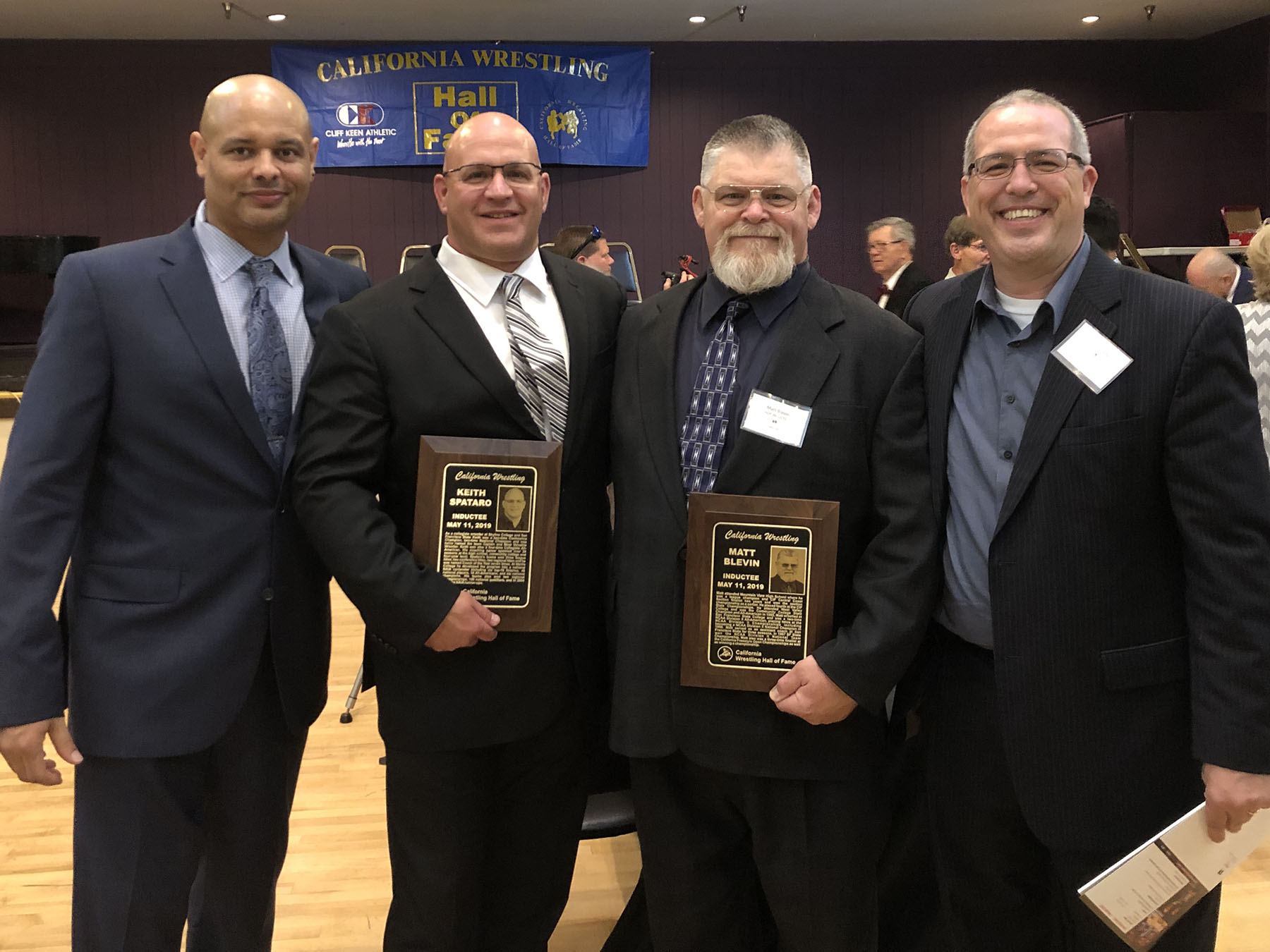
Above & right: Keith with former SFSU athletes and teammates

Keith Spataro

Keith’s continued dedication to SF State is rooted in his passion for athletics and his belief in the University’s mission to provide an accessible, high-quality education to students of all backgrounds. He hopes his story will inspire others to give back.

“I wouldn't be where I am today if it weren’t for the experience I had at San Francisco State,” Keith says. “It shaped me in meaningful ways and for most of my professional career, but I didn't reflect on it until Coach [Jensen] passed away. I then realized how powerful my experience was. I want other wrestlers to gain the same thing.” 

“I wouldn't be where I am today if it weren’t for the experience I had at San Francisco State.” 
—Keith Spataro (B.A., Kinesiology/Physical Education, ’95)

Keith is optimistic that the student-athletes supported by the Spataro Alumni Wrestling Scholarship will one day recognize the ripple effects of their own University experiences: “At some point in their lives, they’ll reflect back and say, ‘If I didn't get the Spataro Scholarship and wrestle at San Francisco State, this wouldn't have happened,’ whatever this is for that individual. ‘You know what, that changed my life.’ It won’t be the [scholarship] money that changes their lives, but the experience they get from the money. And that's what I'm for.”


For more information about donating to Gator Athletics, contact:

David Fierberg, MNA, CFRE

Executive Director of Development   
Gator Athletics

dfierberg@sfsu.edu

(415) 405-3966

Read more about David